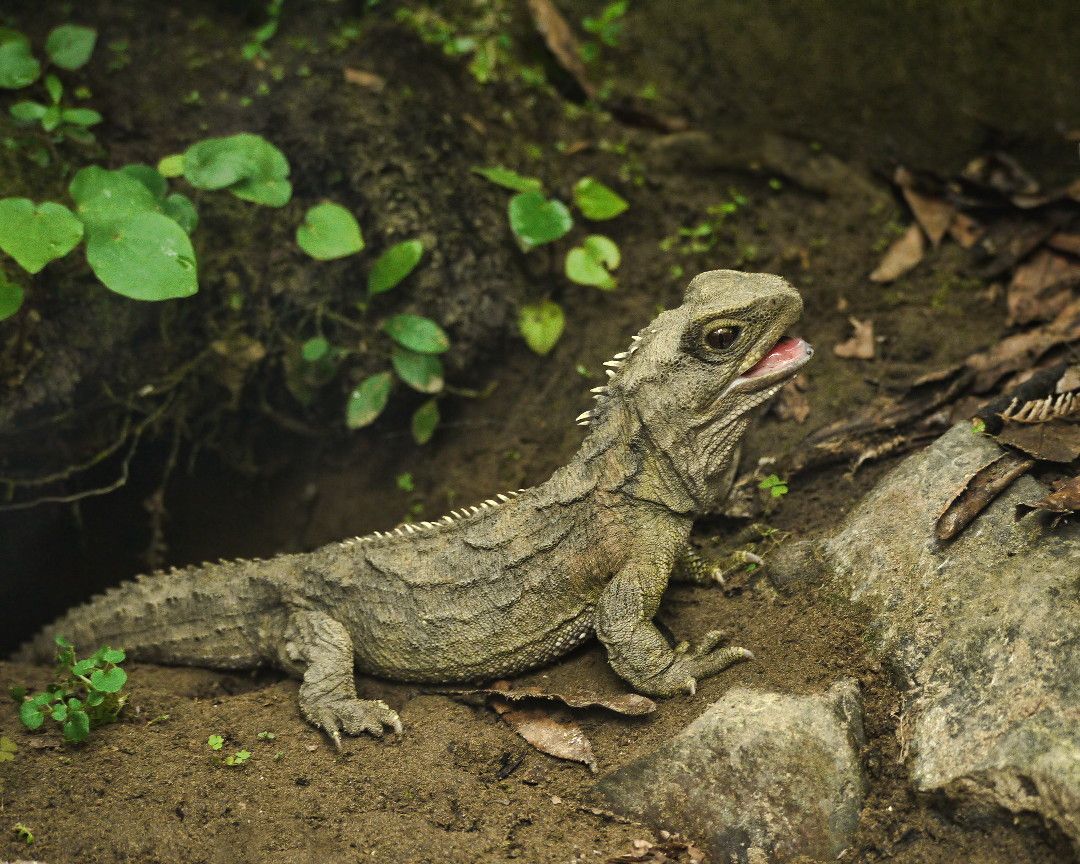
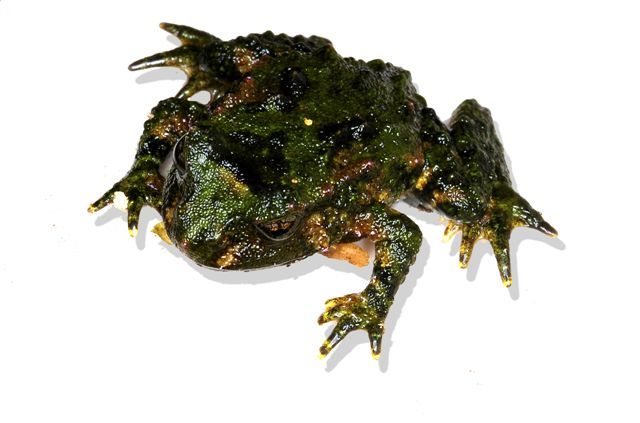
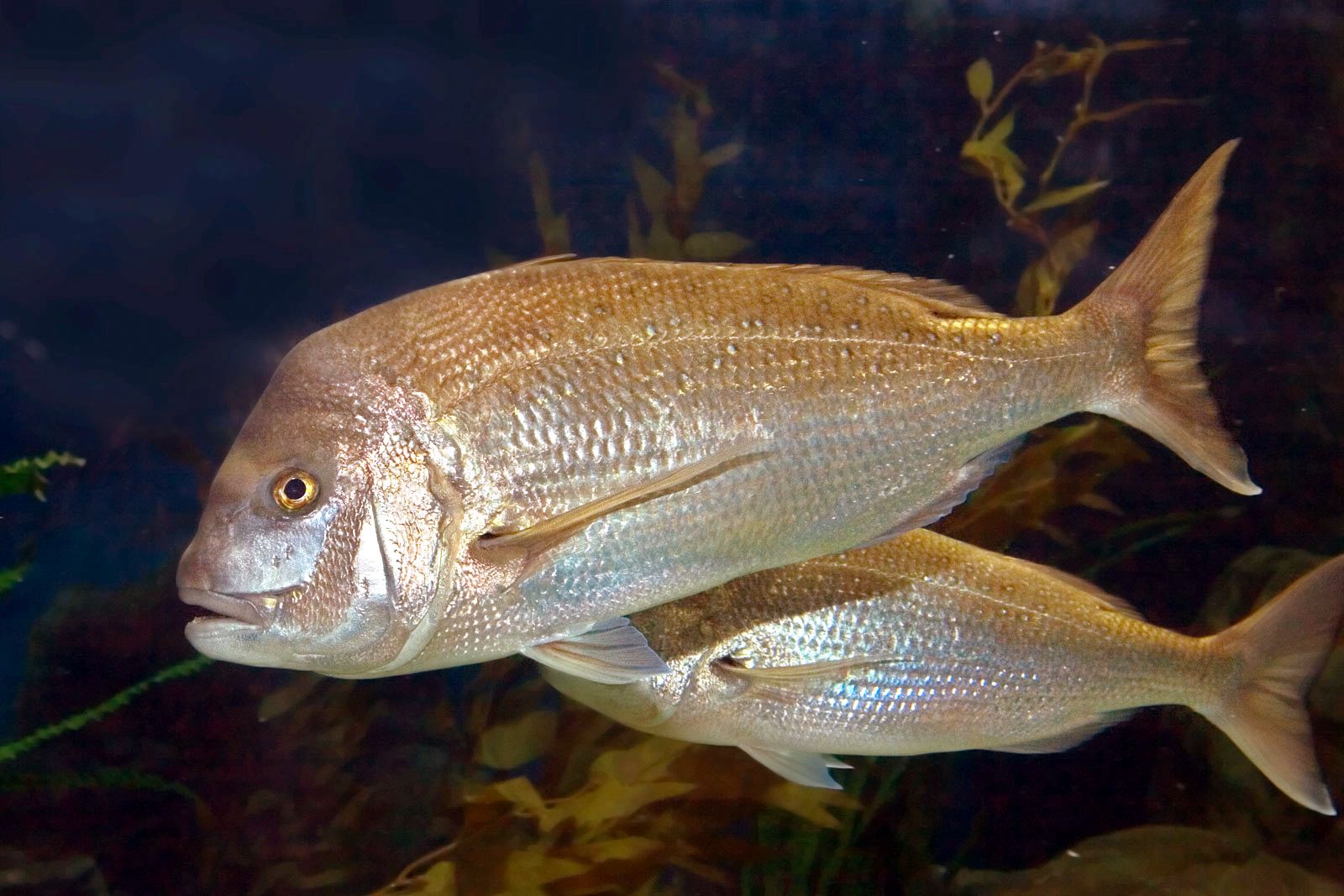
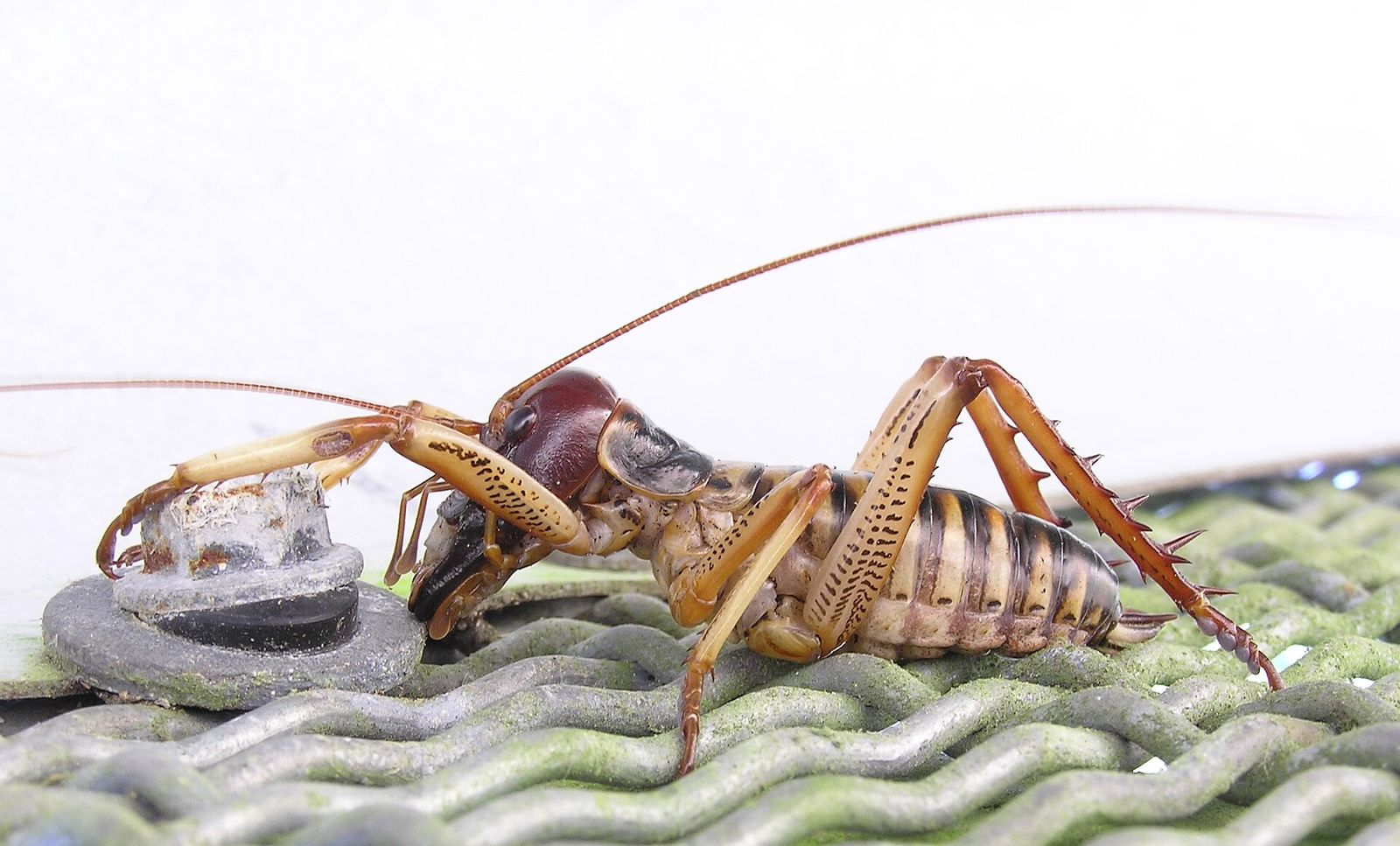
Your teacher will give you an animal. Research it and plan your poster on p7.
Common name and scientific name
Animal group, and the features that place it there
Habitat
Conservation status
One structural, one behavioural and one physiological adaptation, and how each helps
A close relative on the Evogeneao tree of life, and how long ago they shared a common ancestor
Your sources
Sneak preview · more in Lesson 5
Three kinds of adaptation
Adaptation: a feature that gives a living thing an advantage in its environment.
Structural
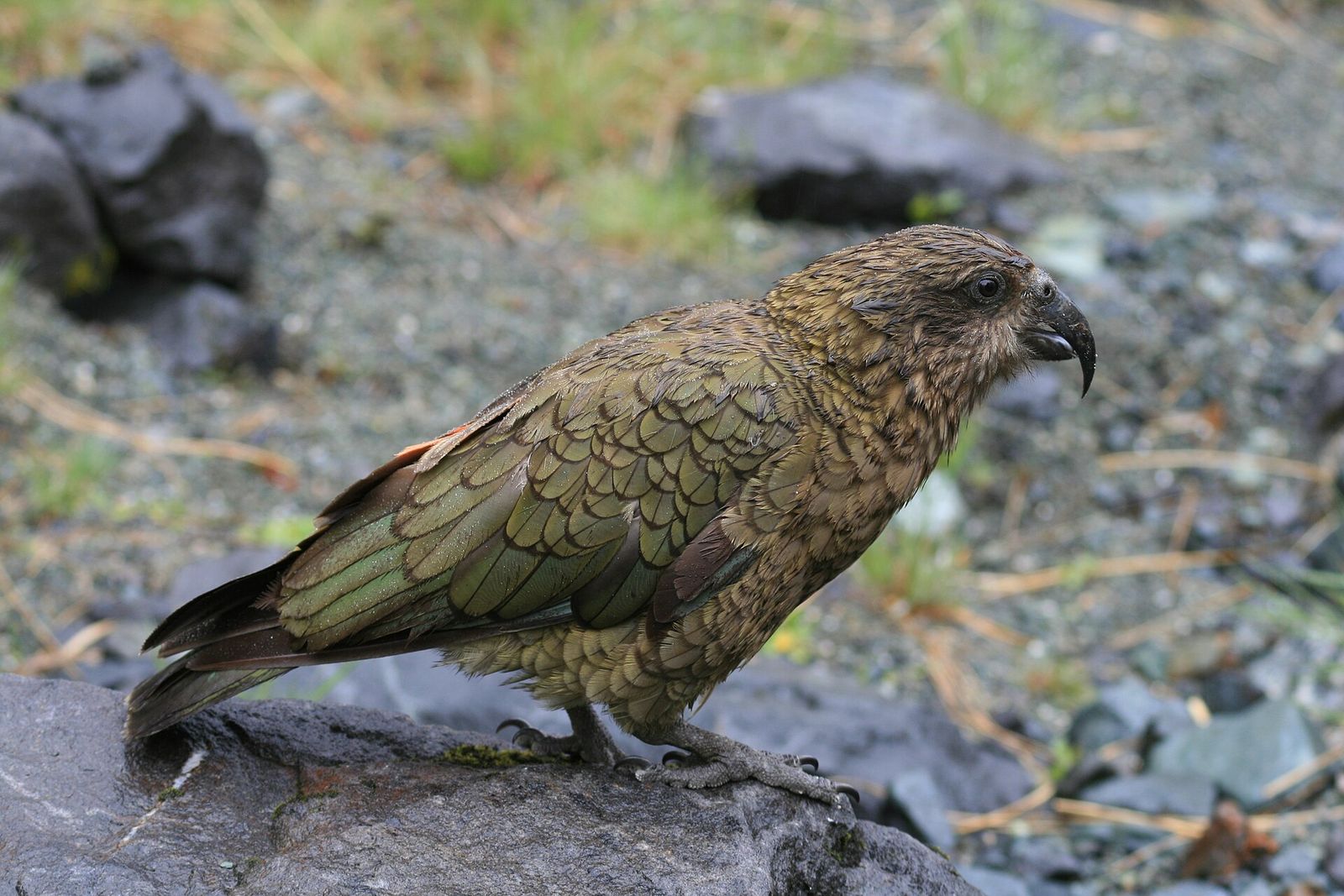
A physical feature of the body. A kea's hooked beak for tearing food.
Behavioural
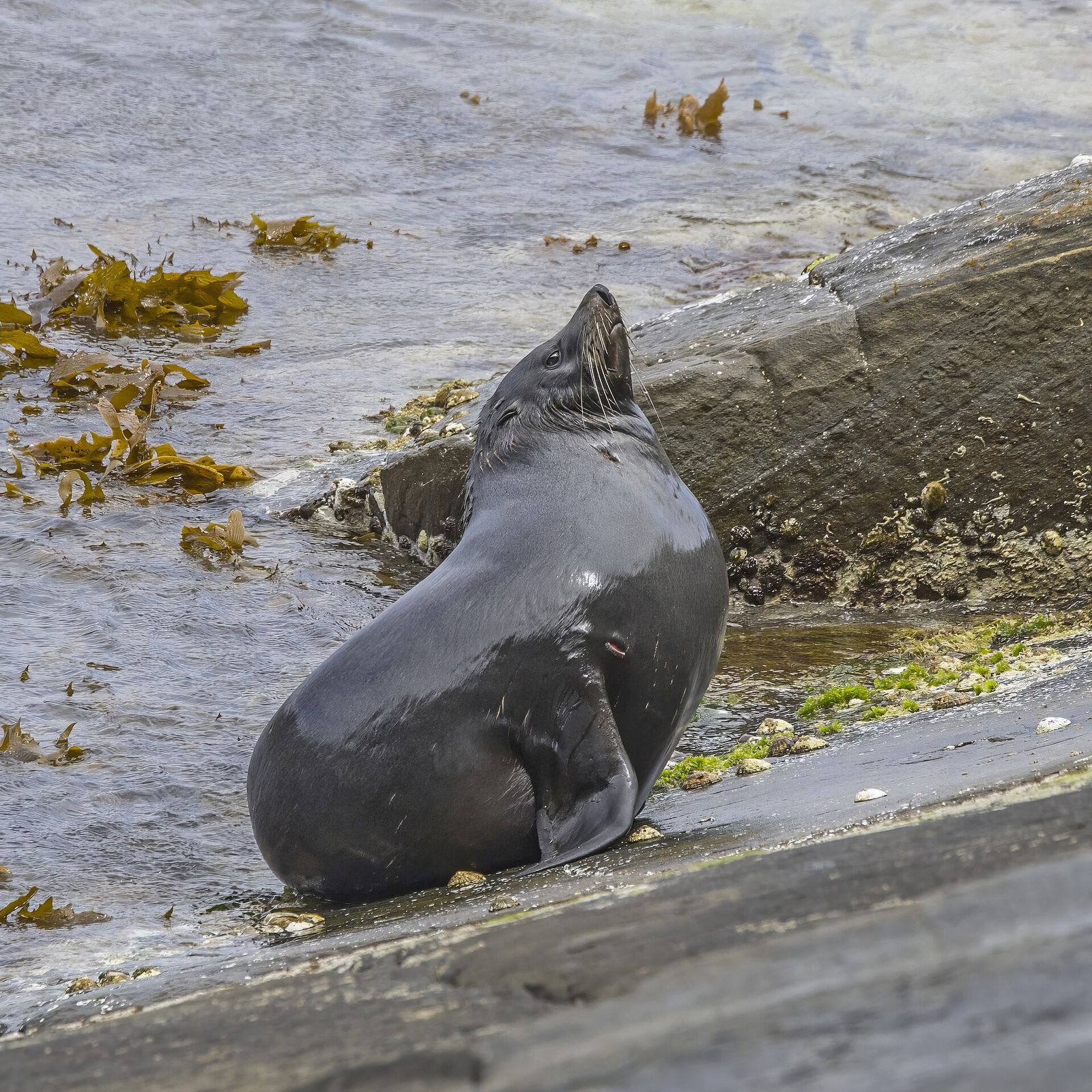
Something the animal does. Kekeno hunting at night, when squid rise to the surface.
Physiological
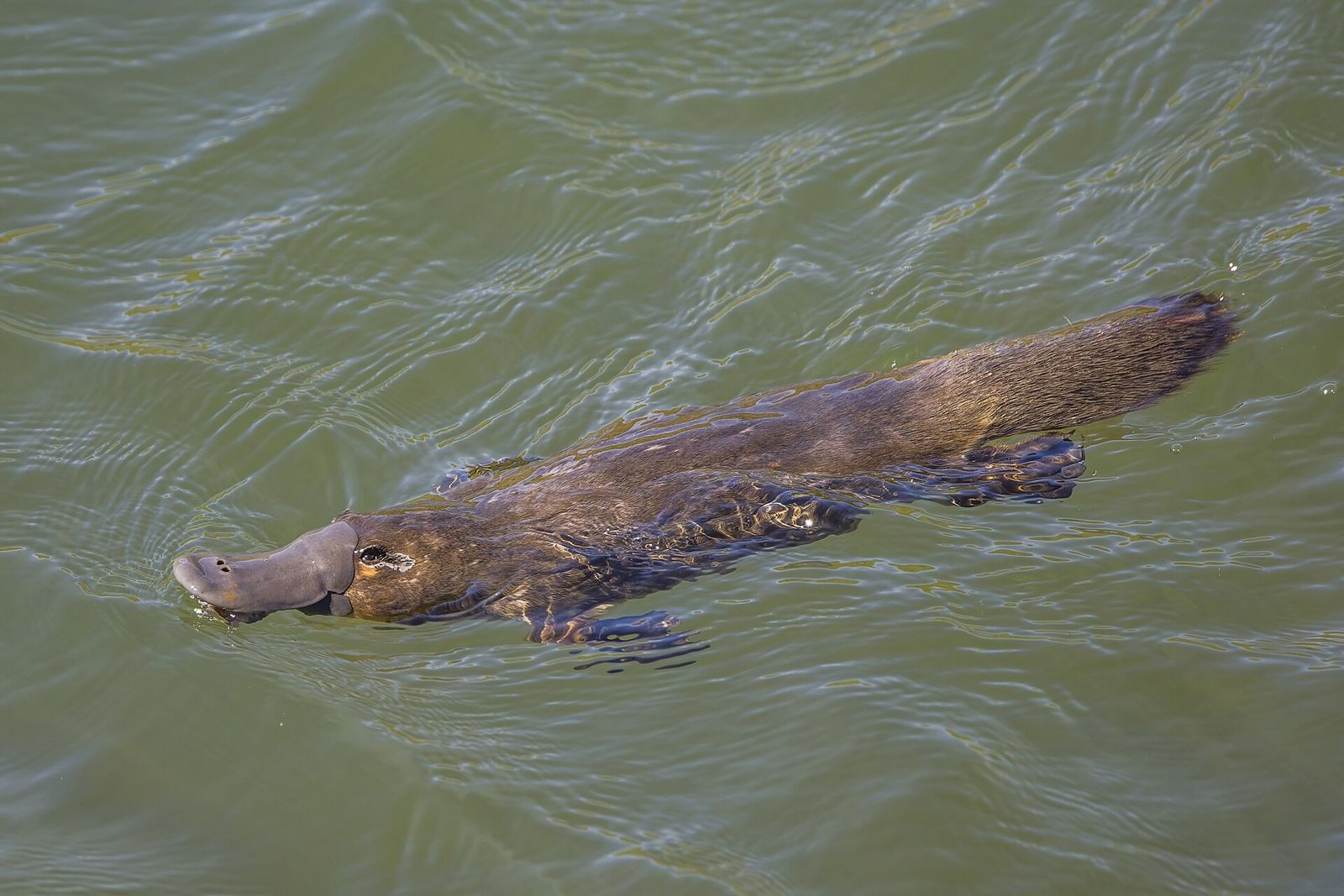
A process inside the body. A platypus making venom.
Finding relatives
The Evogeneao tree of life
Find your animal on the outside of the tree. Follow its branch inwards until it meets another animal's branch. That meeting point is their common ancestor.
Write down each source as you use it: the site name and the page title.
Alternative task
An insect mihi
A mihi introduces who you are through your whakapapa and your land. Scientific names also show whakapapa: who an organism is related to, and how closely.
Choose an insect and find its full scientific name.
Trace it back: genus, family, order, class, phylum, kingdom.
Describe where it lives: its tree, awa and maunga.
I am a Wellington tree wētā. My full name is Hemideina crassidens. I belong to the family Anostostomatidae, with the giant wētā. Through the order Orthoptera I am related to crickets and grasshoppers, and through Insecta to every insect. Through the phylum Arthropoda I am related to spiders and crabs. I live in a hollow in a māhoe tree at Ōtari. My home is Aotearoa.
Before you finish
Poster checklist
Name and picture of your animal
Its animal group, and the features that put it there
One structural, one behavioural and one physiological adaptation, each explained
Where it fits on the Evogeneao tree of life
Your sources
Posters are finished next lesson, so get your research done today.
Exit question
Which group is your animal in?
Name one feature that proves it.
Kekeno, NZ fur seal. Charles J. Sharp. CC BY-SA 4.0
Away today?
Missed this lesson? Catch up here
Copy the key features of the five vertebrate groups, and of insects, into your book.
Ask your teacher which animal you have been given.
Lab manual p7: start filling in the planning table using the sources on slide 9.
Find your animal on the Evogeneao tree of life and note one close relative.
Exit question: which group is your animal in, and what feature proves it?