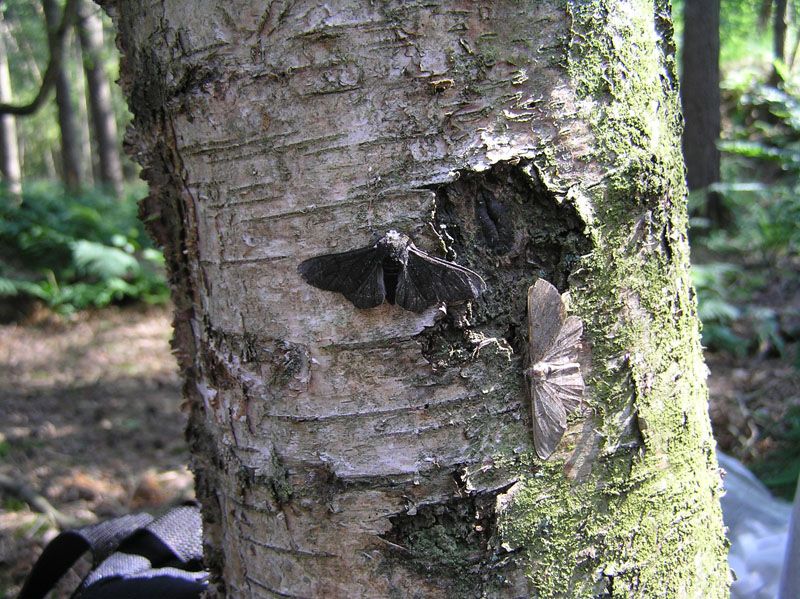
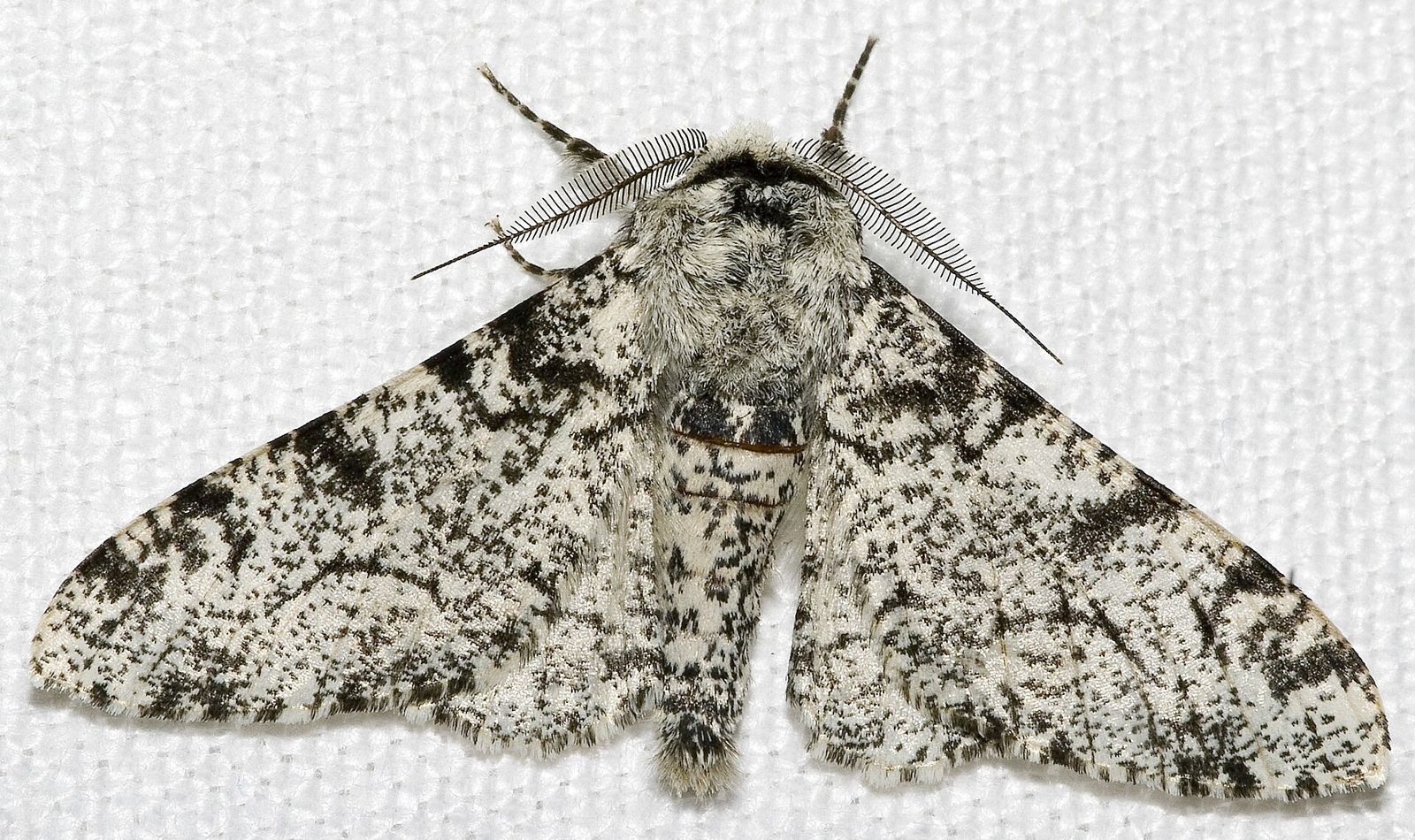
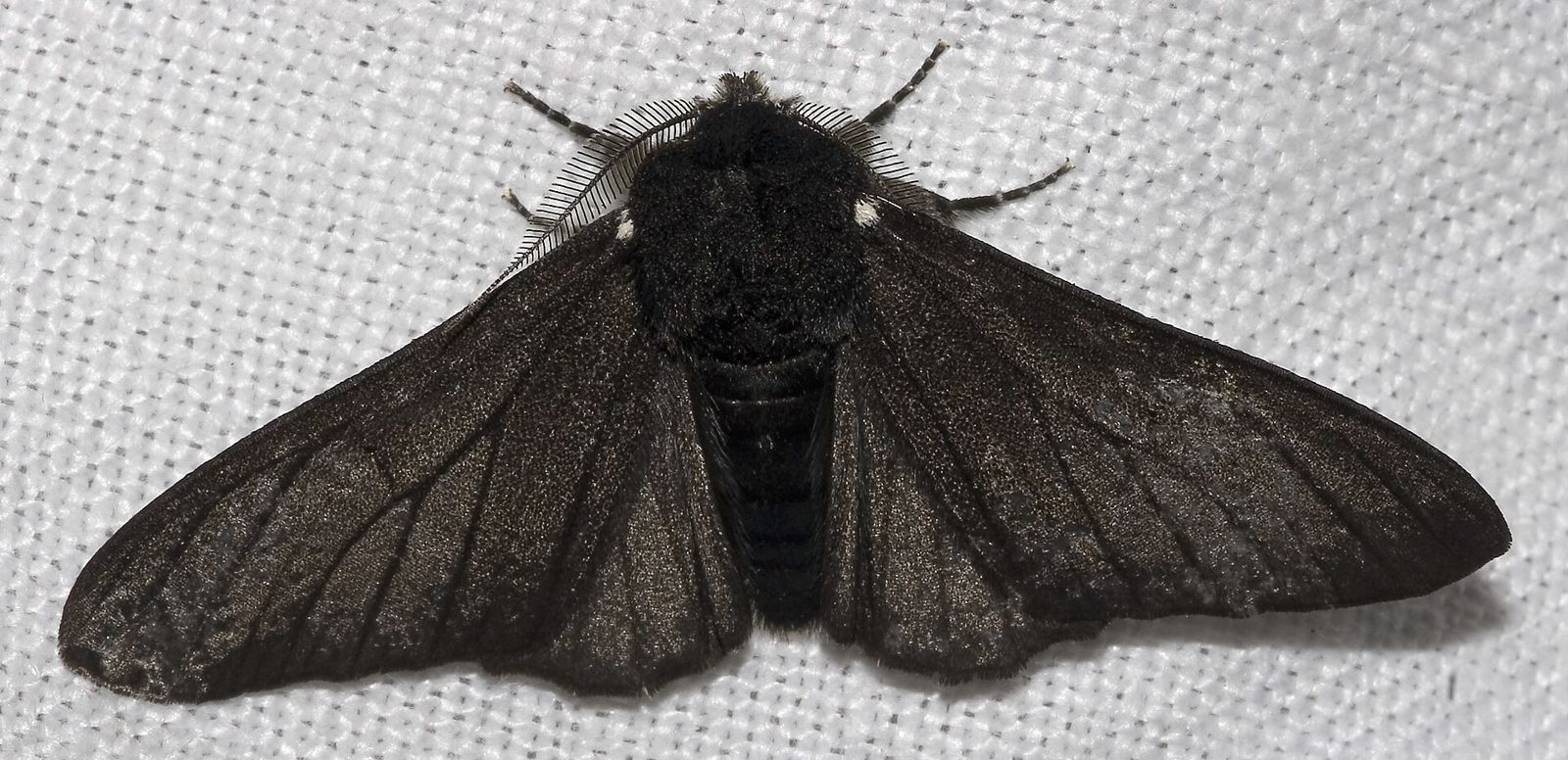
On sooty trees, birds spotted and ate more light moths.
Reproduction
More dark moths survived to breed.
Inheritance
Their offspring inherited the genes for dark wings.
Time
Over many generations, dark moths became the most common.
Back to the starter
Now explain the giraffe properly
Use all five words: variation, selection, reproduction, inheritance, time.
Giraffes varied in neck length. When food was short, those with longer necks could reach more leaves and were more likely to survive. They had more offspring, which inherited the genes for longer necks. Over many generations, long necks became common.
Lab manual p16
Activity: Birds and Beaks
Write the foods in the top row of the results table.
With one beak, pick up as much of the first food as you can in 30 seconds. Drop it in your cup (the "stomach").
Count and record how many pieces you collected.
Repeat with each food, then with each beak.
Beaks
Tweezers
Clothes peg
Spoon
Chopsticks
Lab manual p16 Q2
Beaks of Aotearoa
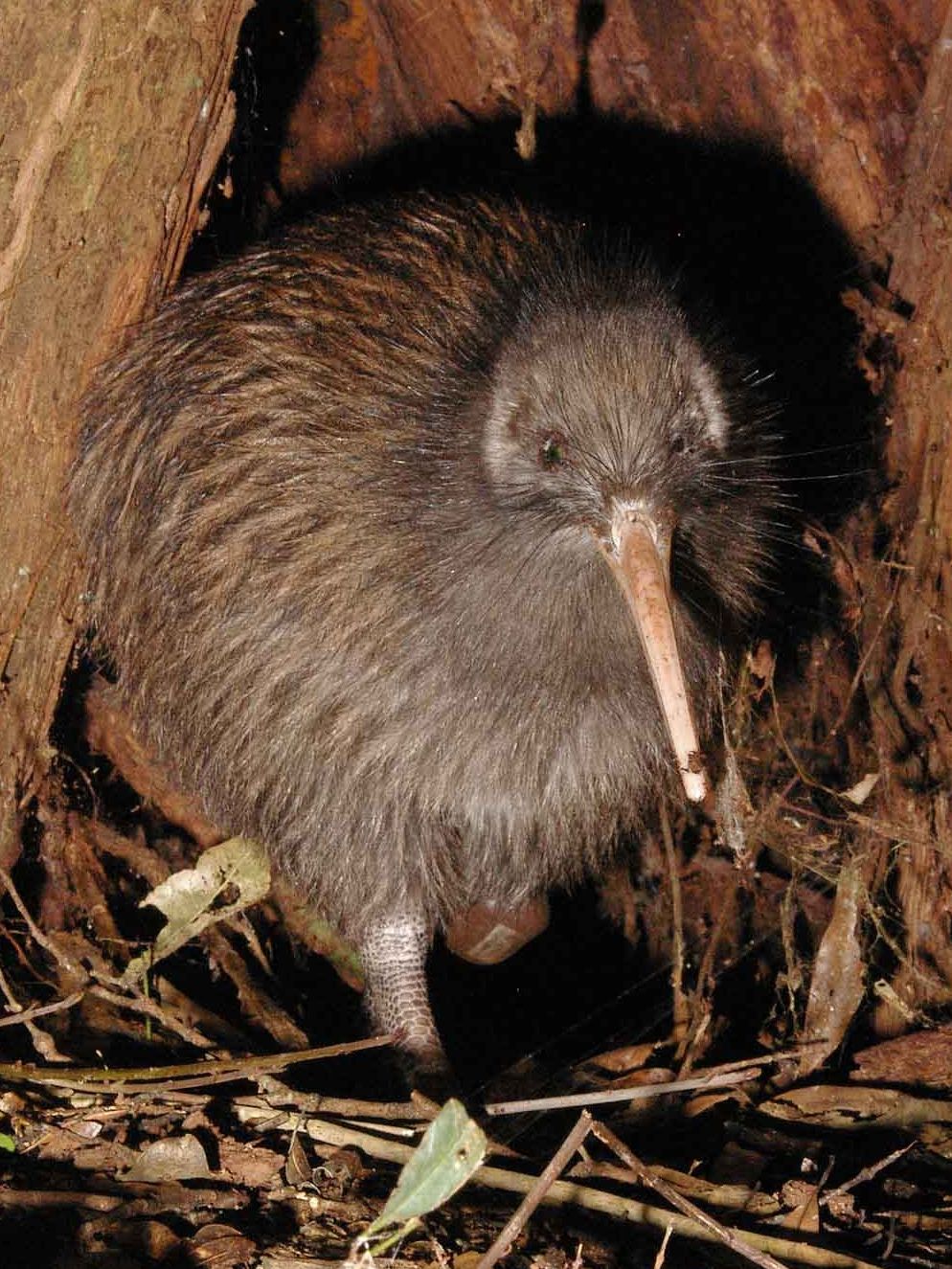
Kiwi
Long beak with nostrils at the tip. Probes the soil to smell out worms.
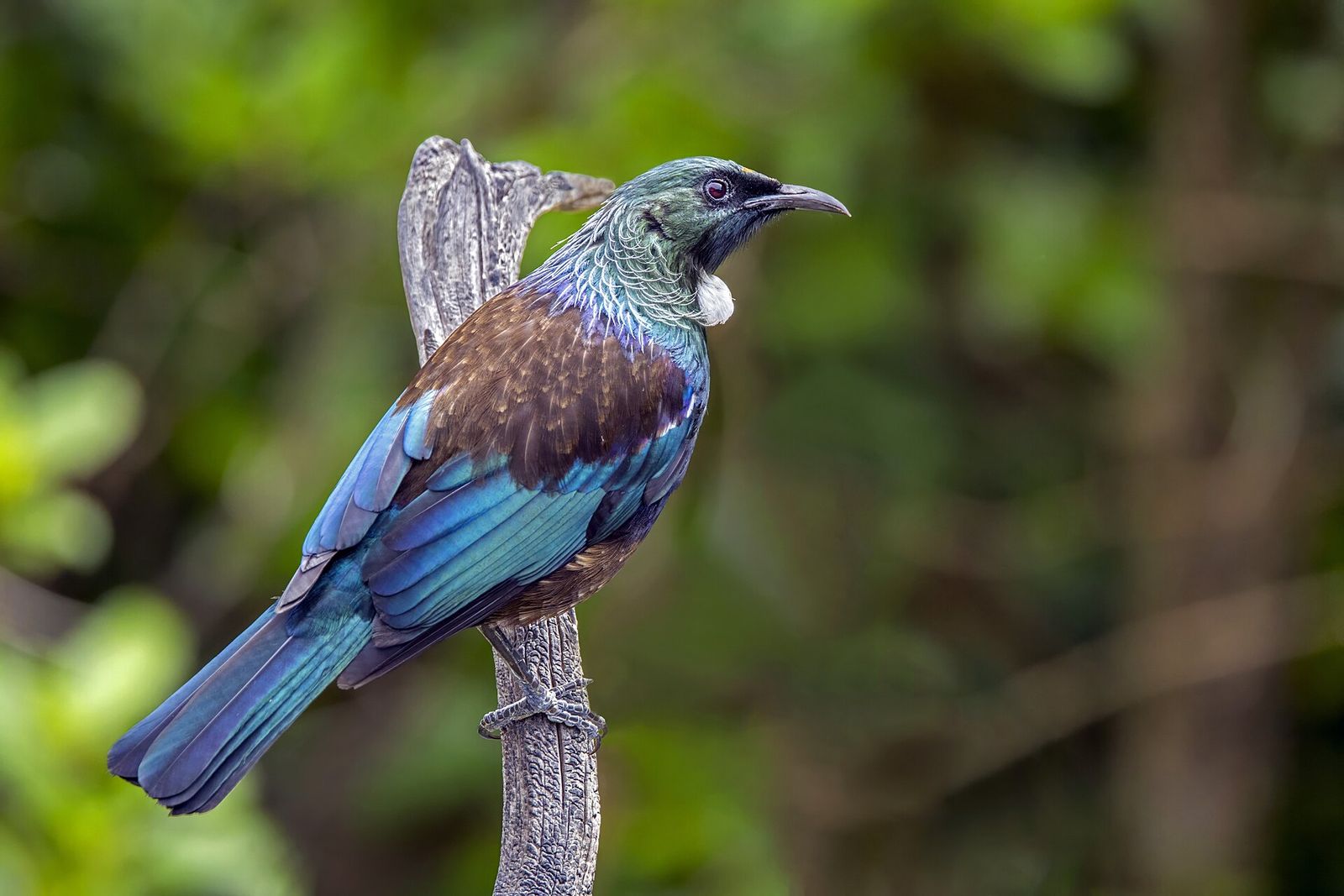
Tūī
Curved beak and a brush-tipped tongue to reach nectar in flowers.
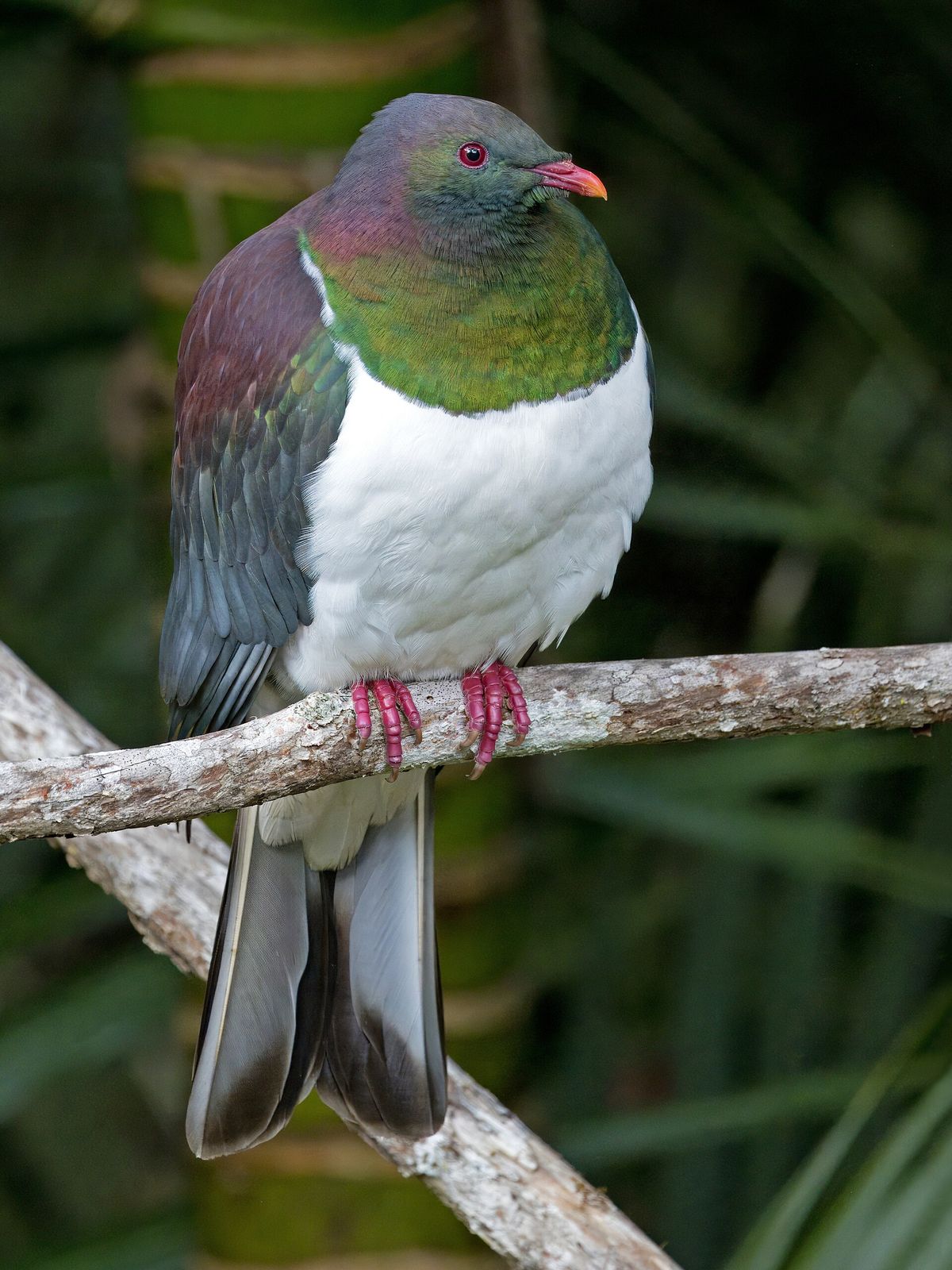
Kererū
Wide gape to swallow big fruits whole, like taraire and karaka.
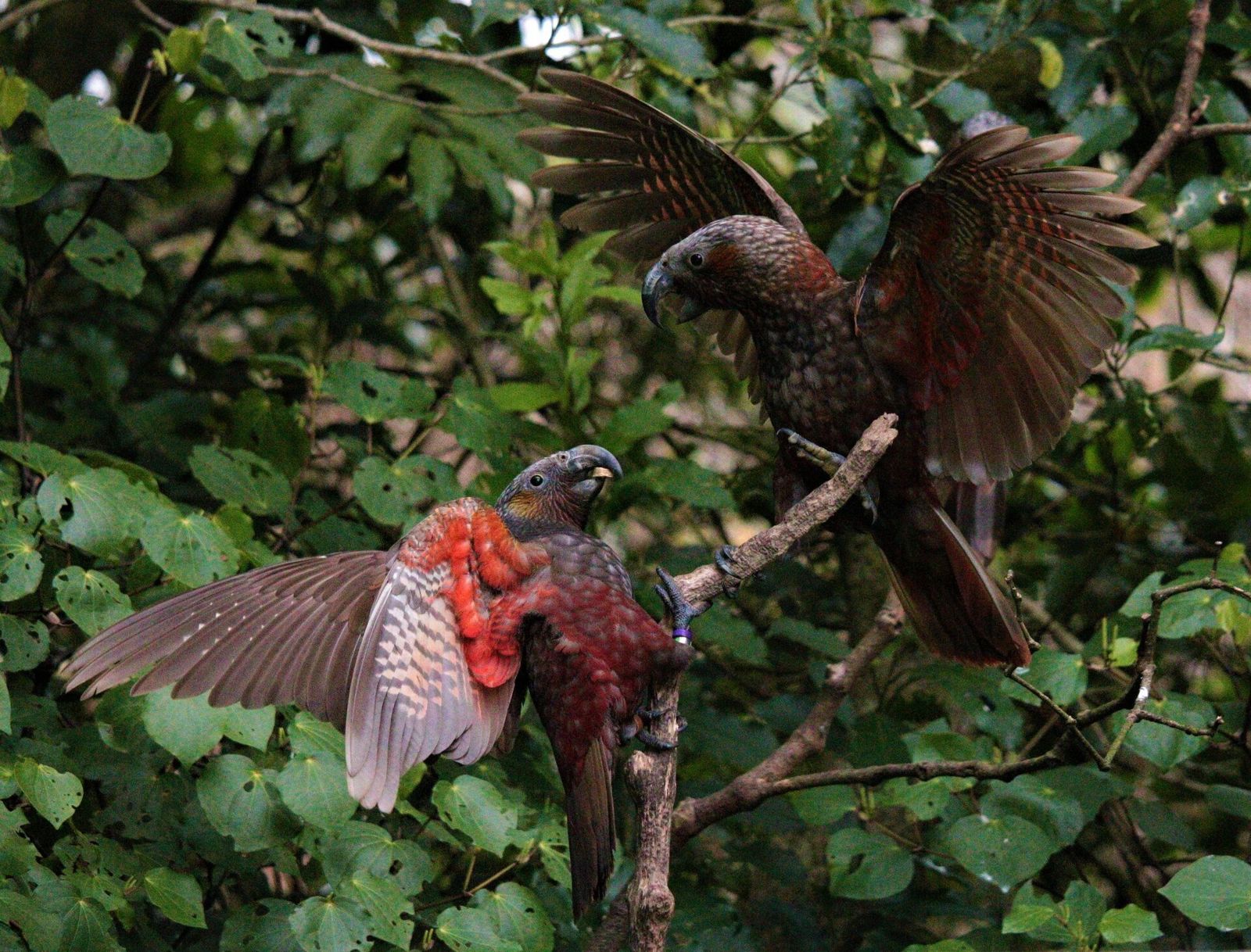
Kākā
Strong, hooked beak to rip open bark and dig out grubs.
Kiwi: Maungatautari Ecological Island Trust, public domain. Tūī and kererū: Charles J. Sharp, CC BY-SA 4.0. Kākā: Kate Macbeth, CC BY-SA 4.0.
Exit question · Lab manual p16 Q3
An island where the only food is hard seeds
Which beak shape would help a bird survive and reproduce? Explain using the idea of natural selection.
Use all five steps: variation, selection, reproduction, inheritance, time.
Start with: "The birds on the island had different beaks…"
Away today?
Missed this lesson? Catch up here
Learn the five steps of natural selection (slide 4), and why the giraffe starter is false.
Lab manual p19 Q1: explain the peppered moth using the five steps.
Lab manual p16: ask a classmate for their Birds and Beaks results, then answer Q1 and Q2.